
Access
Bring structured teaching and realistic practice closer to doctors across metropolitan, regional and remote settings.
Academic scholarship and digital health
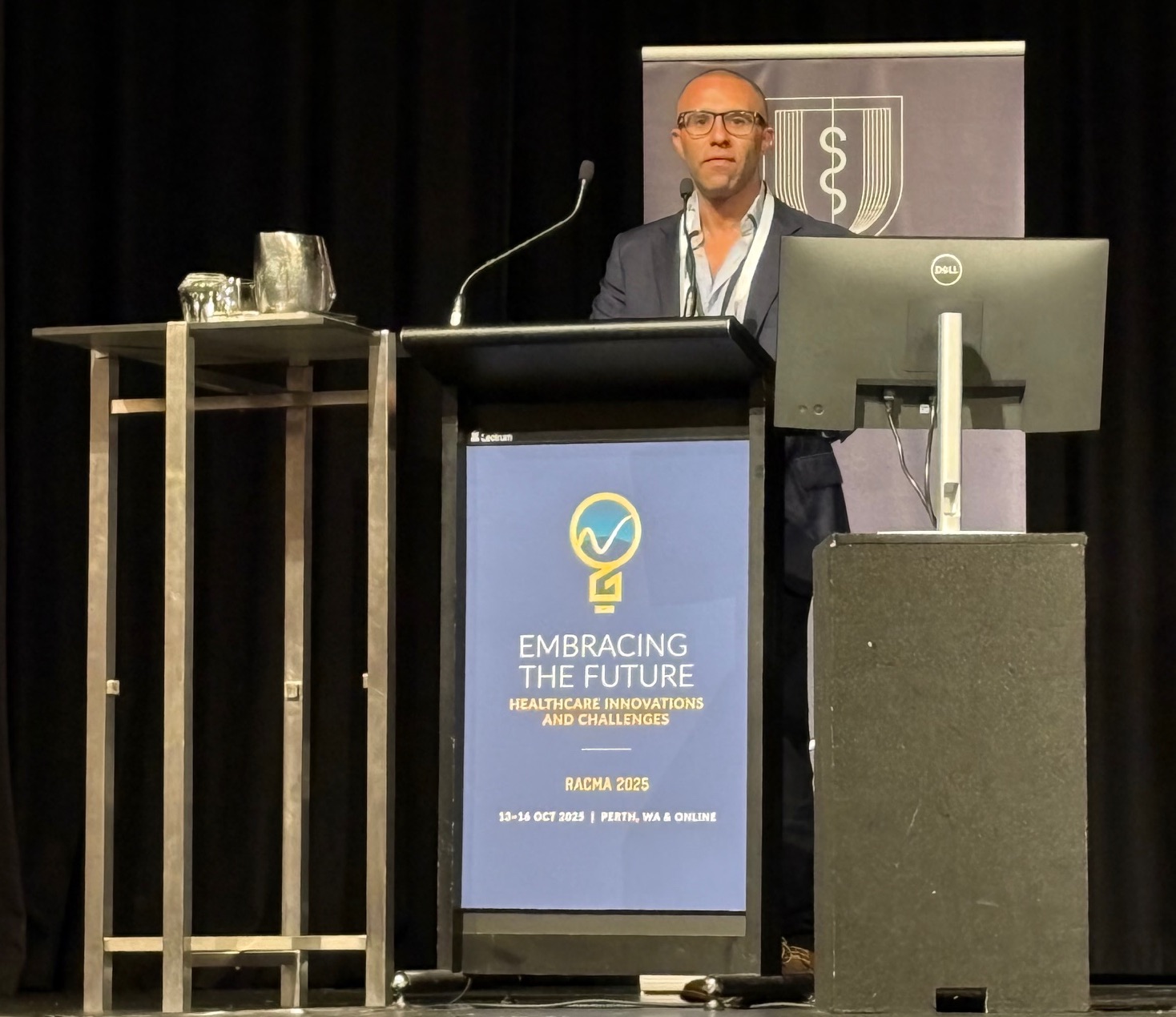
A/Prof George Eskander presented PassGP's work on artificial intelligence in medical education and the practical role technology can play in supporting doctors across complex professional pathways.
Medical educationWorkforce transformationApplied digital health
Scholarship in service of doctors
The presentation considered how intelligent question banks, predictive analytics and structured feedback can extend access to high-quality medical education without losing the judgement and humanity of an experienced teacher.
Artificial intelligence in medical education is not about replacing teachers - it is about expanding reach and improving consistency.
For doctors preparing around clinical work, family life, distance and unfamiliar systems, well-designed technology can make a difficult pathway clearer and less isolating.
Three practical themes
The work is grounded in what technology changes for the doctor using it - not novelty for its own sake.
Bring structured teaching and realistic practice closer to doctors across metropolitan, regional and remote settings.
Use clear frameworks, calibrated feedback and performance information to make expectations easier to understand.
Help doctors entering a new health system feel supported as capable colleagues while they learn its examination and professional language.
From evidence to service
George's digital-health scholarship sits alongside senior clinical operations, medical regulation, university teaching and more than a decade of national and international examination experience. The common thread is a commitment to systems that are clear, fair and useful to the people working within them.
A/Prof George Eskander’s presentation at the AIDH Digital Health Summit WA 2026 explores PassGP’s use of artificial intelligence in medical education and how technology can support doctors through complex professional pathways.
The three themes are access, consistency and belonging. Access means bringing structured teaching and realistic practice closer to doctors in metropolitan, regional and remote settings. Consistency means using clear frameworks, calibrated feedback and performance information to make expectations easier to understand.
Belonging focuses on doctors entering a new health system: supporting them as capable colleagues while they learn its examination and professional language. Together, the themes judge technology by the service it provides to doctors, rather than by novelty alone.
The examples are intelligent question banks, predictive analytics and structured feedback. They are discussed as ways to extend access to teaching and practice, with clear frameworks and performance information helping doctors understand expectations.
The emphasis is on supporting experienced teachers’ work and judgement while making their expertise easier to access.
The presentation addresses doctors preparing alongside clinical work and family commitments, those studying at a distance, and doctors entering an unfamiliar health system. It is also relevant to educators considering how to make structured teaching and examination expectations more accessible across metropolitan, regional and remote settings.
Sick of second guessing what the examiner wants? Hear from our Chief Examiner, A/Prof Eskander, as he explains how to display perfect exam technique for the CCE and not run out of time.