Why examiners value safe escalation more than confident independence
Mar 23, 2026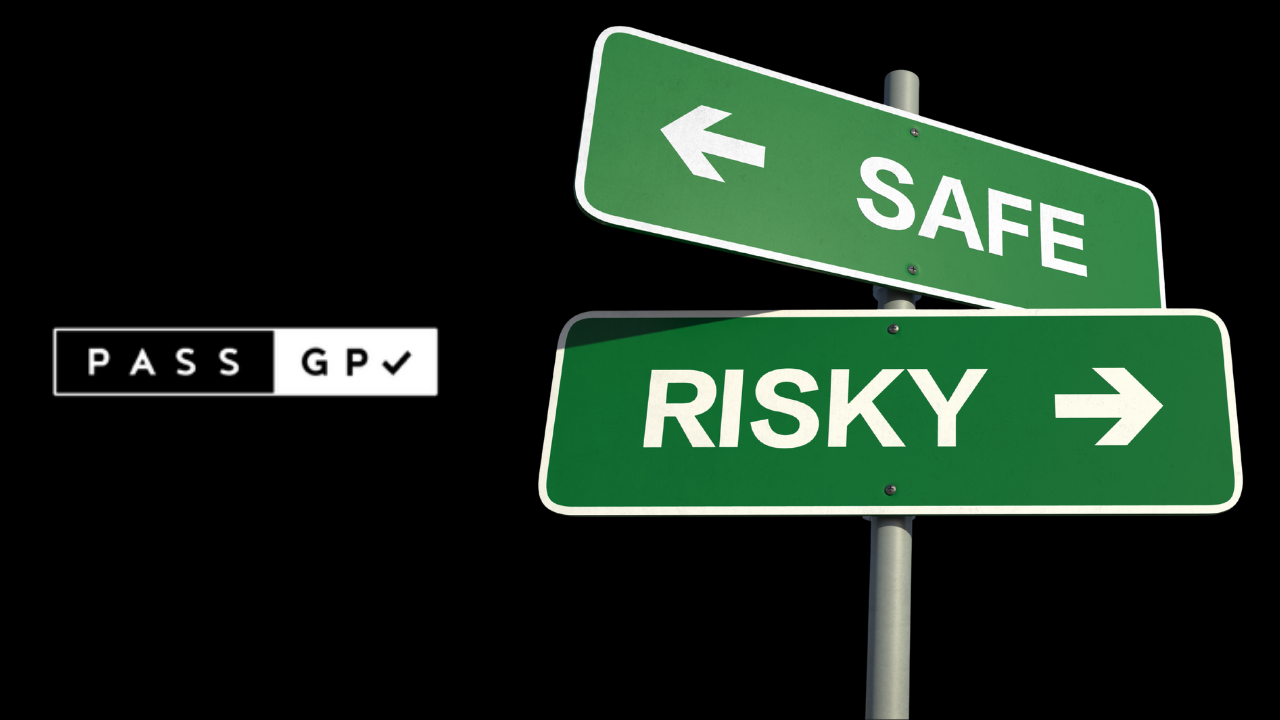
“Safe doctors know when to escalate. Unsafe ones try to manage alone.” - A/Prof George Eskander
Why candidates avoid escalation
Candidates often hesitate to escalate because they fear it signals weakness. In exams, the opposite is true. Failure to escalate appropriately raises concerns about patient safety.
Escalation is missed when candidates:
- attempt to manage beyond scope
- delay referral despite red flags
- fail to recognise deterioration
- over-reassure instead of acting
- avoid naming who they would contact
This creates examiner uncertainty.
What examiners look for
Across RACGP, AMC and PESCI, examiners listen for:
- recognition of limits
- appropriate senior involvement
- timely referral thresholds
- clarity around urgency
- patient safety prioritisation
Escalation demonstrates maturity, not dependence.
Conclusion
Exams reward candidates who practise safely, not those who appear autonomous at all costs. Appropriate escalation is a marker of readiness for independent practice.
Reference
Ginsburg S et al. The hidden curriculum: professionalism in clinical education. Medical Teacher. 2003.